
Vacca Family Dentistry is pleased to join the Chesterfield Food Bank in helping ease hunger in our community. According to a newly released study, 45% of Central Virginia households have experienced food insecurity in the past year . There is no better time to come together as a community and make a difference. Food donations provide essential support for individuals and families who work hard but still struggle to put food on the table. With your help, our goal is to collect 500+ food items for Chesterfield Food Bank . In an effort to show our appreciation for helping us reach this goal, we’ll be giving away an Ultimate Smile and Self-Care Basket, including an electric toothbrush, whitening kit and other special thank you gifts. Here’s how you can help - and win our Thank You gift: For every 5 non-perishable food items , receive an entry! Maximum 5 entries per person. Bring in a new, unopened toothbrush, floss, toothpaste, or other dental care item and receive one BONUS entry! Help spread the word! Pick up a few Food Drive flyers at our office to share with friends, family and co-workers. Each flyer includes suggested items most in need. Thank you for your support. Together, we can help ease hunger and spread a few smiles along the way!

Overcome dental fear with our compassionate care. Book your appointment today for a positive dental experience!
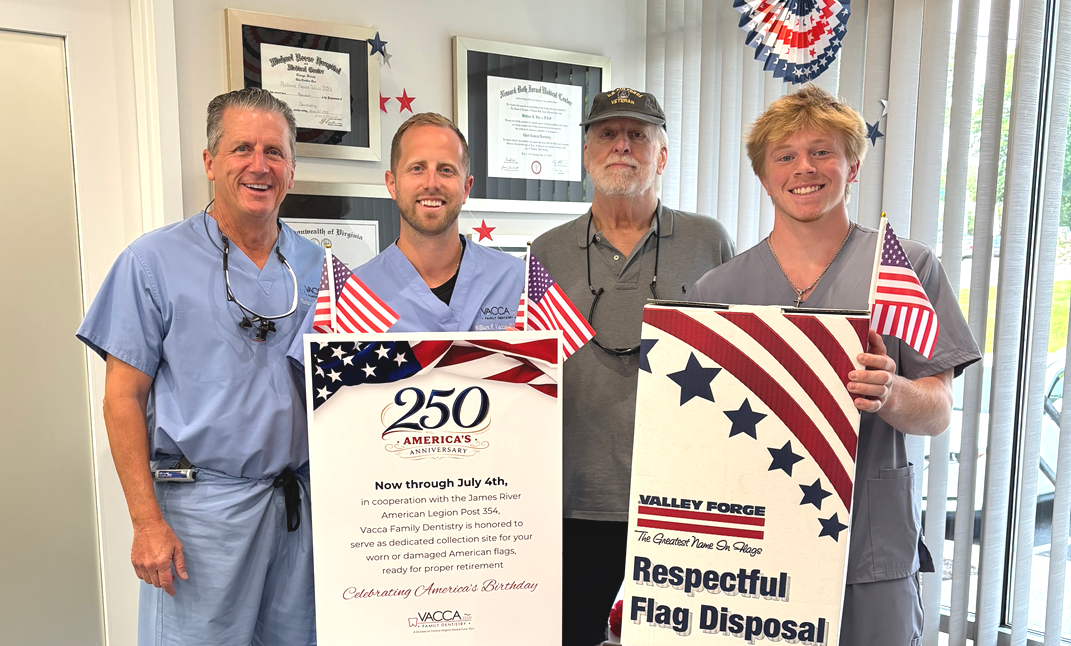
Honor America's 250th by retiring worn American flags at Vacca Family Dentistry. Our Midlothian office proudly accepts flags year-round for respectful retirement.

Summer favorites like ice cream, frozen lemonade, and iced coffee can quickly reveal a common dental problem—tooth sensitivity. If you've ever wondered why your teeth hurt when you eat or drink something cold, you're not alone...
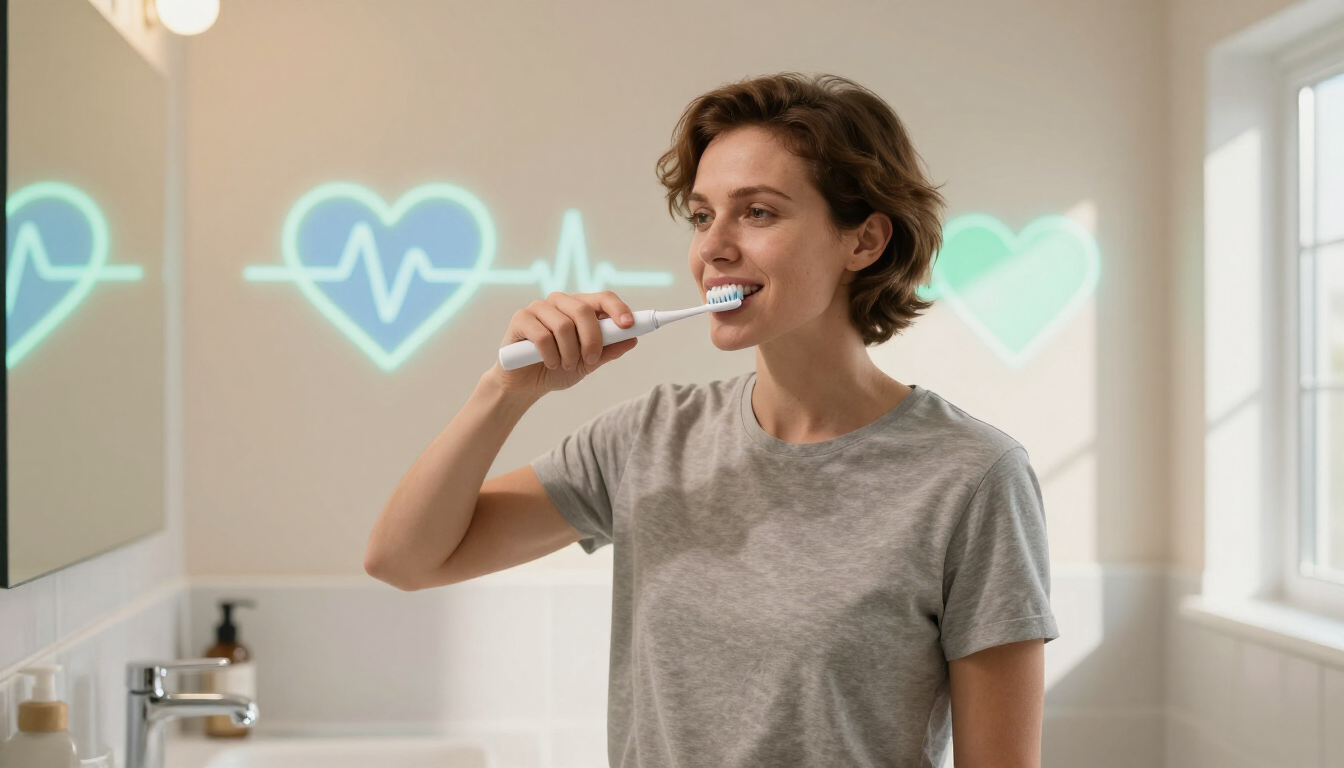
Discover the vital mouth-body connection. Learn how oral health influences heart disease, brain function, and overall wellness for adults.
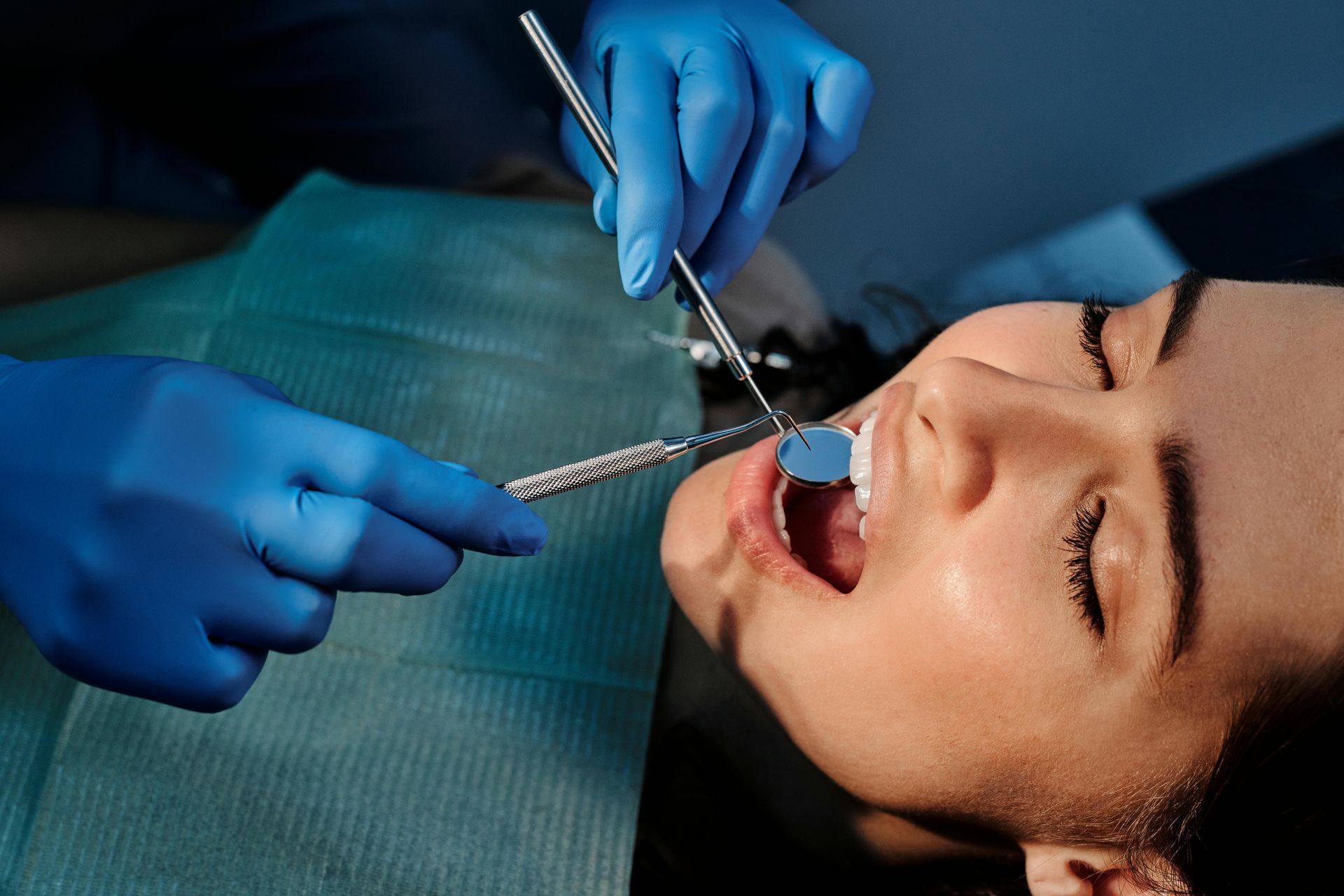
Discover how preventive dentistry reduces long-term costs. Learn why routine dental cleanings and checkups save Midlothian families thousands in restorative care.
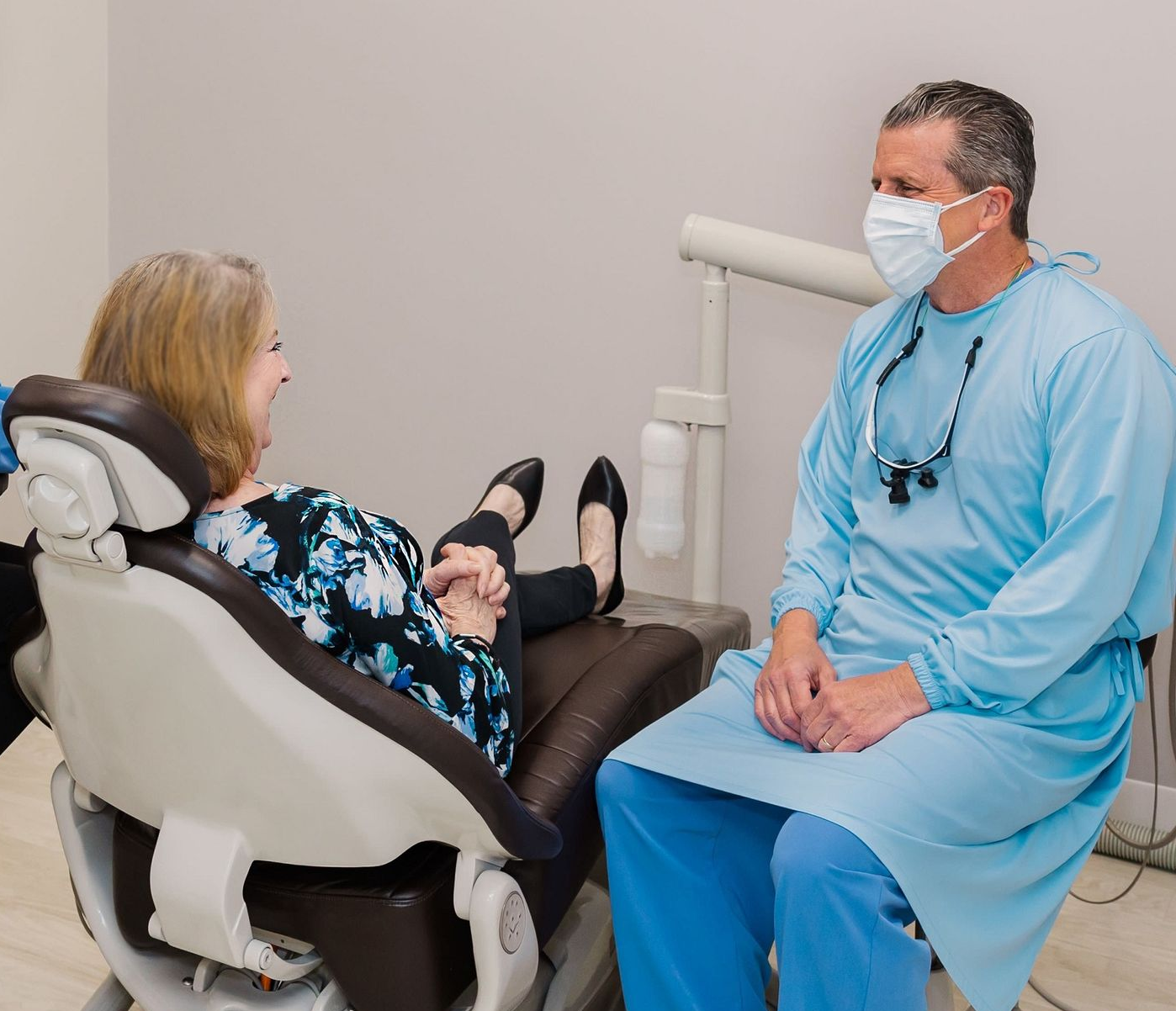
At Vacca Family Dentistry, our team focuses on compassionate gentle dental care designed for patients who feel nervous, fearful, or overwhelmed at the dentist.

Navigating the healthcare system for dental insurance is no easy task. Vacca Family Dentistry offers an affordable in-house program for individuals without dental insurance.

At Vacca Family Dentistry, we take a personalized approach to uncover the root cause of your tooth sensitivity and recommend care that’s right for you.
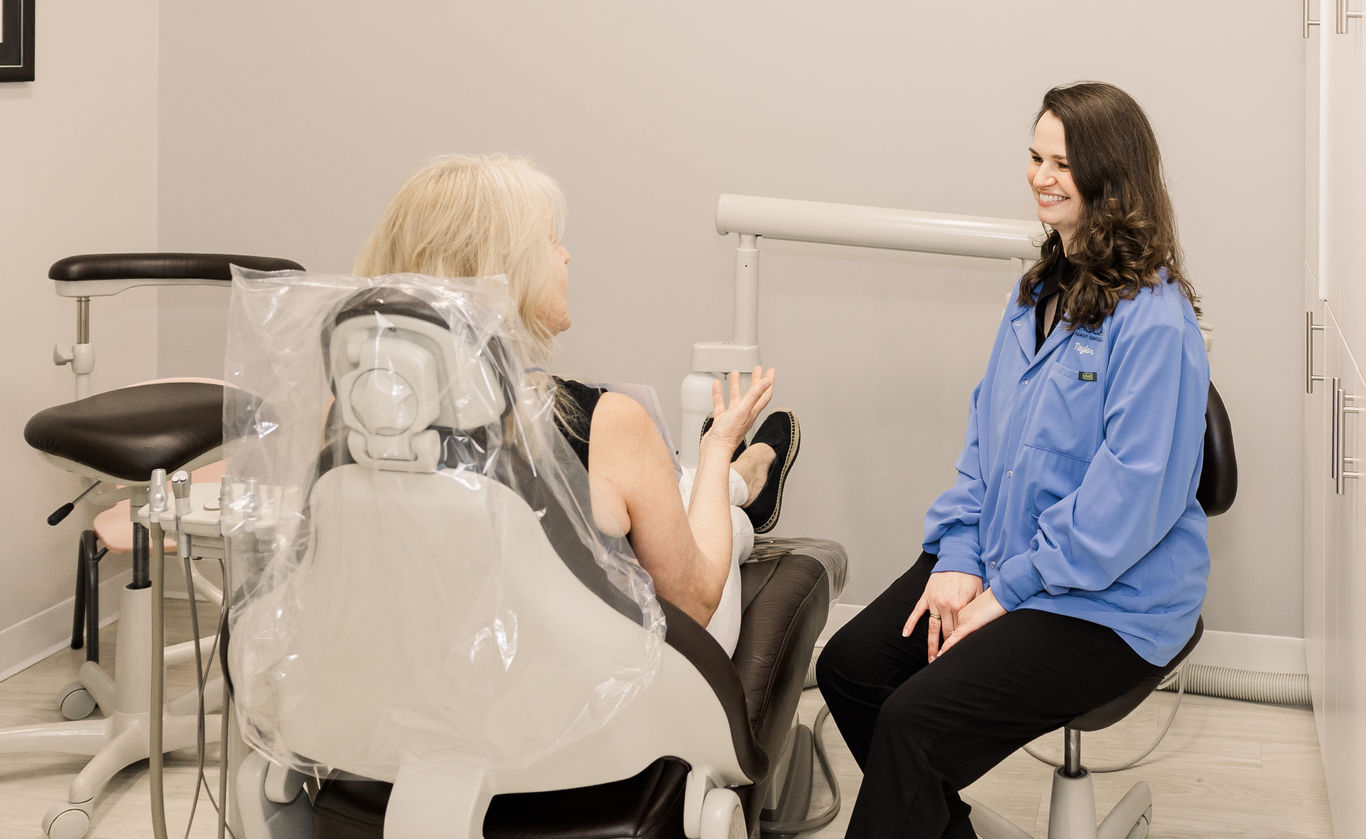
Your mouth is the gateway to your body. Our Midlothian dentists give you the steps for keeping your teeth and gums healthy - strengthening your immune system!
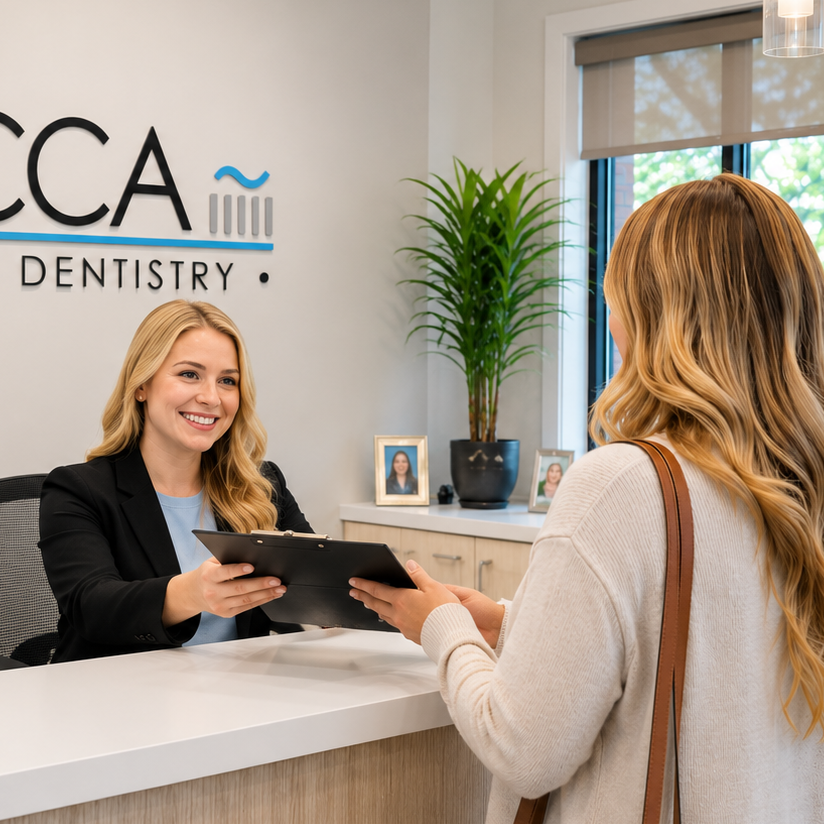
Looking for affordable dental payment plans in Midlothian? Discover CareCredit®, Cherry financing, and Vacca Family Dentistry's in-house Dental Wellness Program
Learn simple, effective ways to help prevent childhood cavities and foster a healthy smile. Vacca Family Dentistry shares how to keep little smiles healthy.