
Overcome dental fear with our compassionate care. Book your appointment today for a positive dental experience!
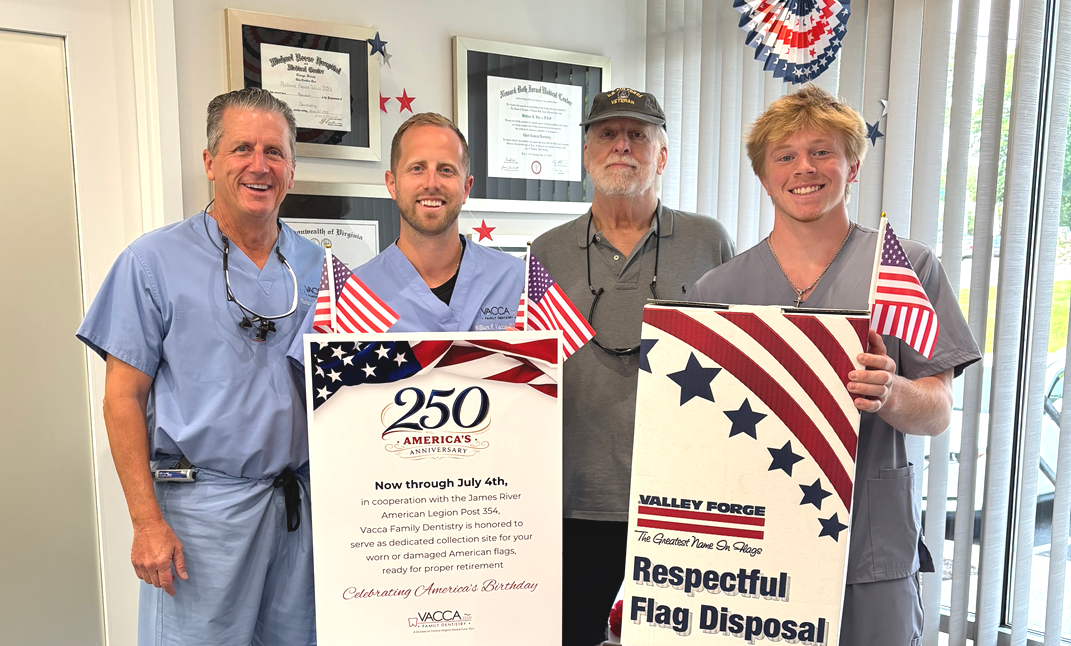
Honor America's 250th by retiring worn American flags at Vacca Family Dentistry. Our Midlothian office proudly accepts flags year-round for respectful retirement.

Summer favorites like ice cream, frozen lemonade, and iced coffee can quickly reveal a common dental problem—tooth sensitivity. If you've ever wondered why your teeth hurt when you eat or drink something cold, you're not alone...

Discover the vital mouth-body connection. Learn how oral health influences heart disease, brain function, and overall wellness for adults.

Learn why Oral Cancer Awareness Month matters. Vacca Family Dentistry offers comprehensive oral cancer screenings in Midlothian for early detection and peace of mind.
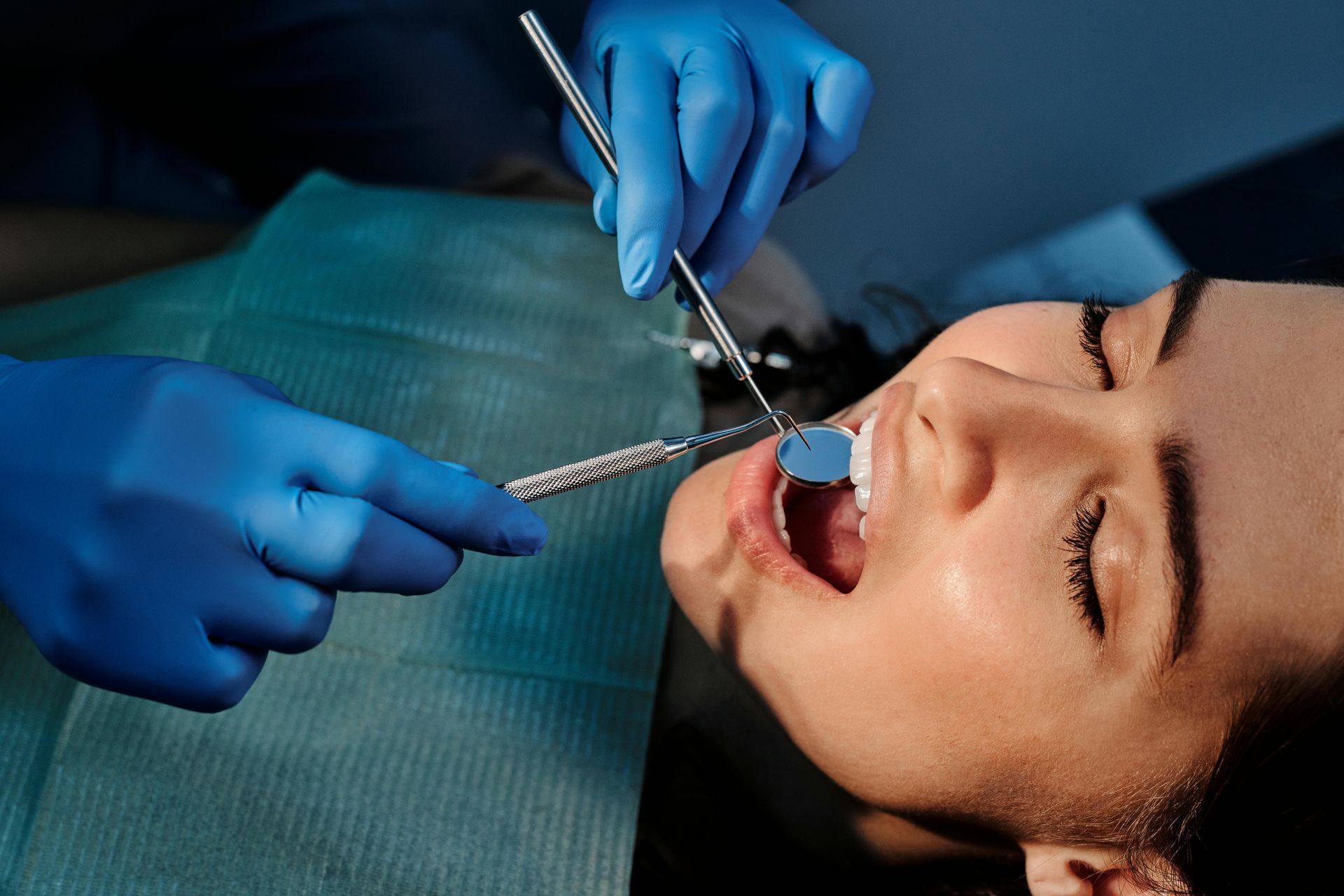
Discover how preventive dentistry reduces long-term costs. Learn why routine dental cleanings and checkups save Midlothian families thousands in restorative care.
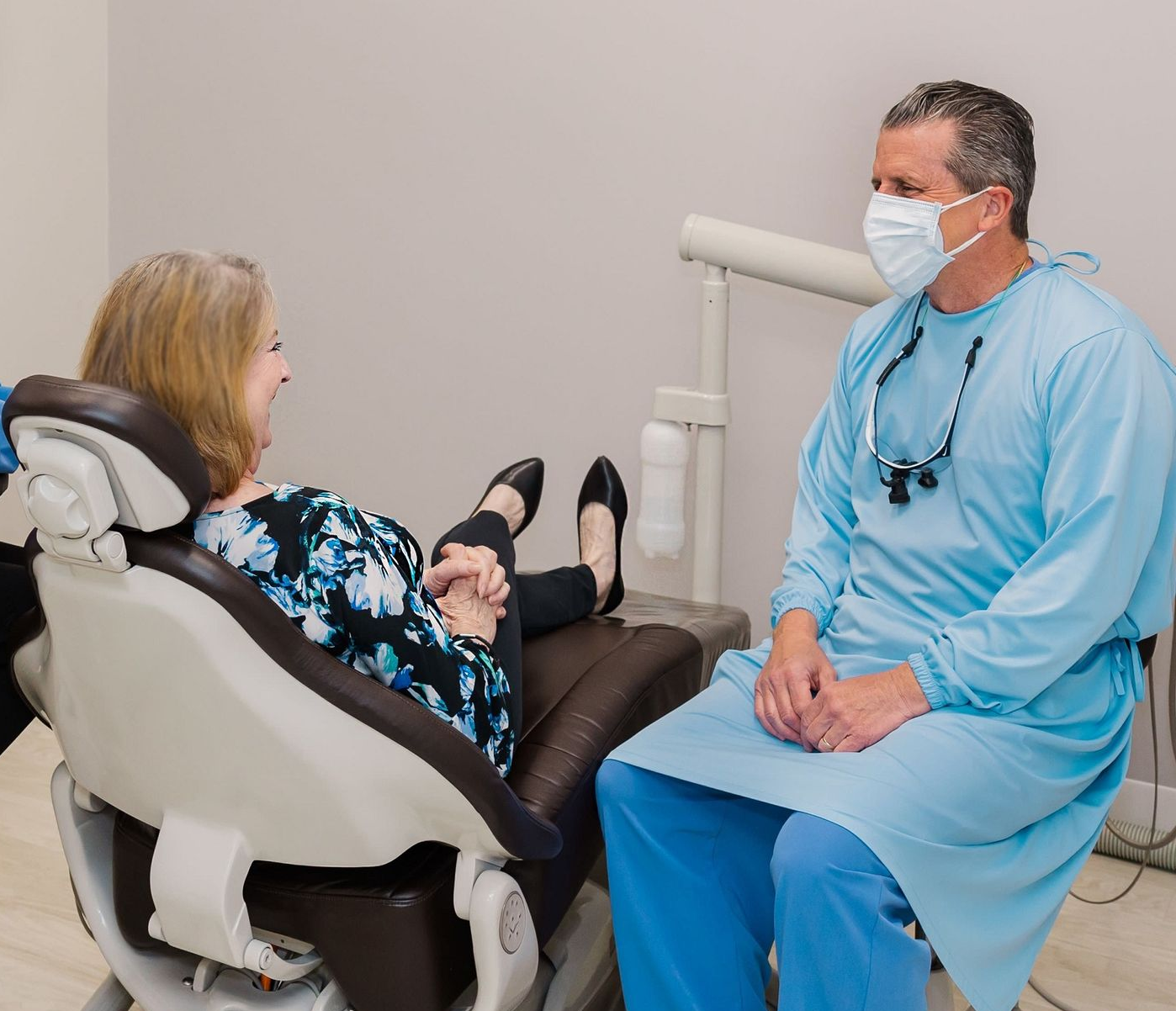
At Vacca Family Dentistry, our team focuses on compassionate gentle dental care designed for patients who feel nervous, fearful, or overwhelmed at the dentist.

Navigating the healthcare system for dental insurance is no easy task. Vacca Family Dentistry offers an affordable in-house program for individuals without dental insurance.
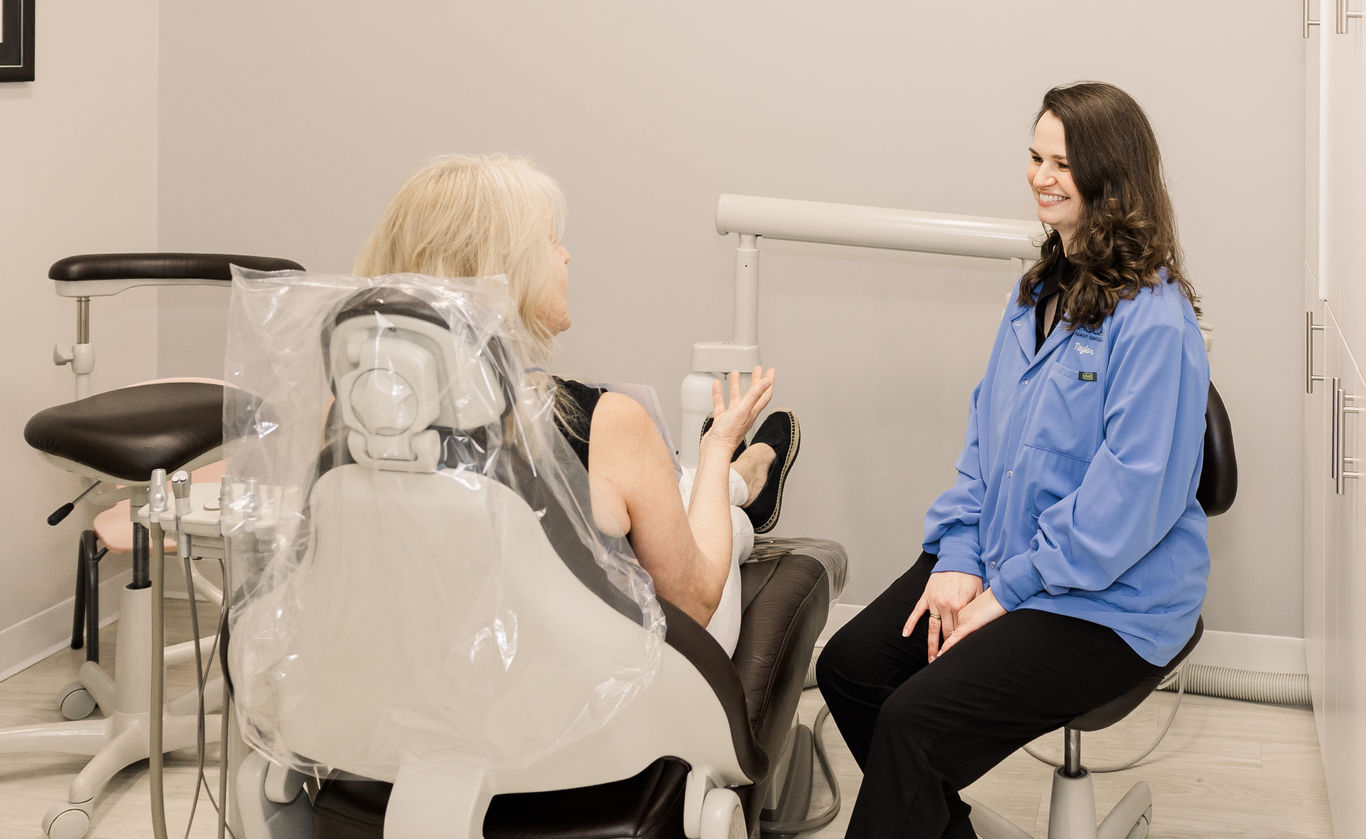
Your mouth is the gateway to your body. Our Midlothian dentists give you the steps for keeping your teeth and gums healthy - strengthening your immune system!
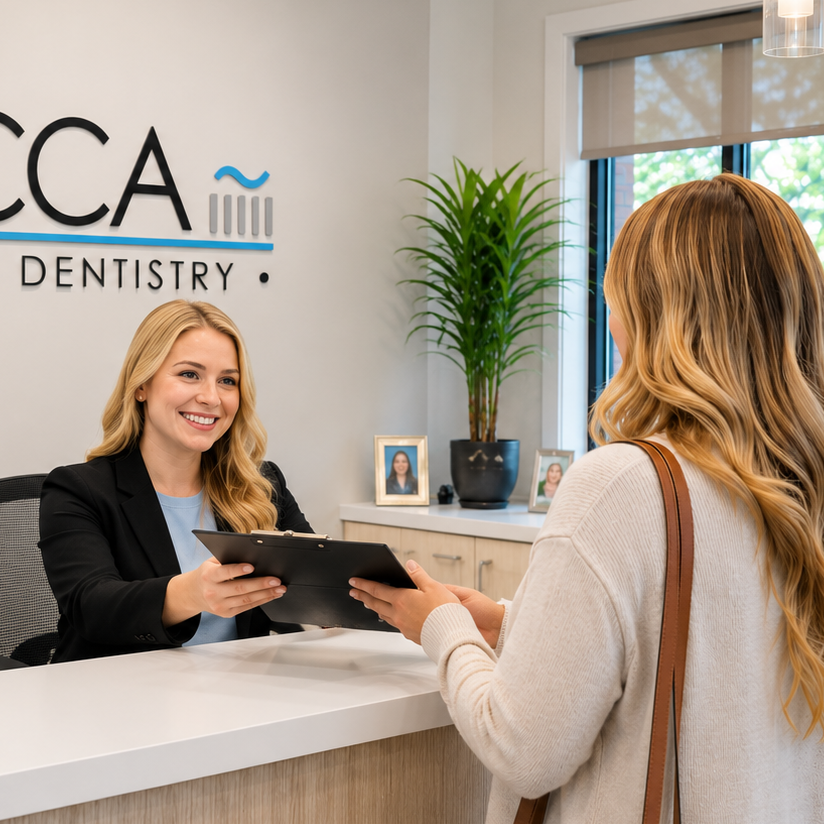
Looking for affordable dental payment plans in Midlothian? Discover CareCredit®, Cherry financing, and Vacca Family Dentistry's in-house Dental Wellness Program
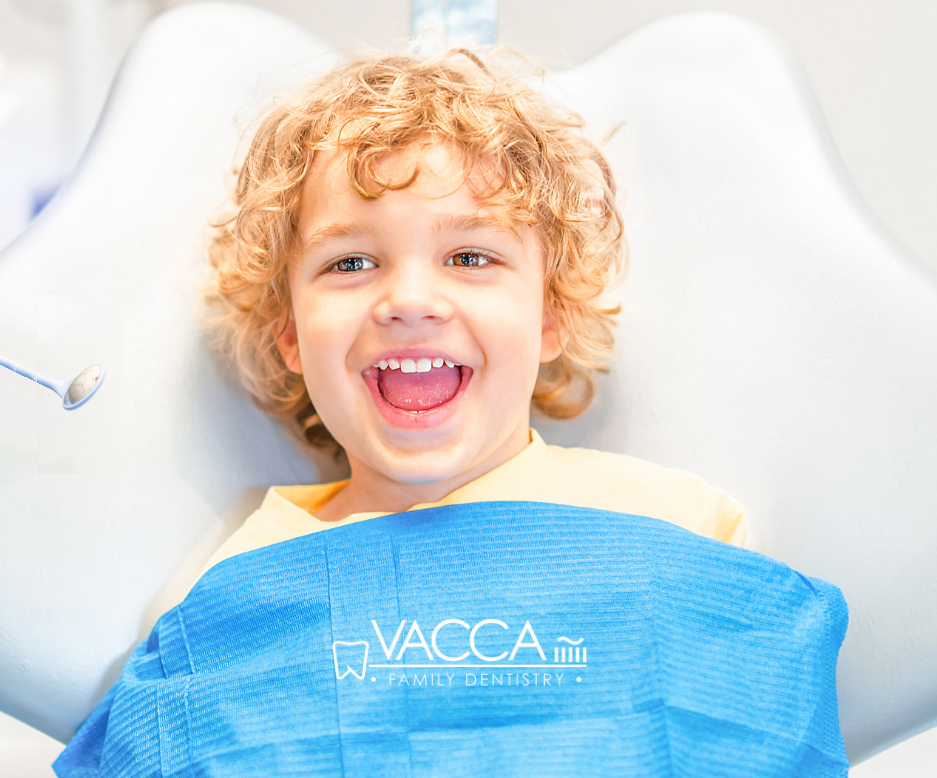
Learn simple, effective ways to help prevent childhood cavities and foster a healthy smile. Vacca Family Dentistry shares how to keep little smiles healthy.

Now through October 31st, join us in supporting two causes close to our hearts: helping vulnerable dogs get a second chance in life and creating healthy smiles.